Community colleges are essential gateways to education and workforce readiness—especially in states like Indiana, where access to affordable, local learning options matters. Ivy Tech Community College is the largest public community college system in the state, with a presence in more than 70 communities. For students, career changers, or working adults seeking accessible education, knowing where Ivy Tech operates—and what each location offers—can make all the difference.
Here’s a detailed guide to Ivy Tech Community College locations in Indiana, designed to help you navigate campuses, programs, and logistics with real-world clarity.
How Ivy Tech Serves Indiana’s Educational Needs
Ivy Tech isn’t just a collection of physical campuses—it’s a statewide network engineered to meet diverse educational and economic demands. From urban centers like Indianapolis and Fort Wayne to rural counties such as Jasper and Randolph, Ivy Tech ensures residents don’t have to relocate or take on excessive debt to pursue higher education.
The college offers associate degrees, industry certifications, and workforce training aligned with Indiana’s labor market. Programs in nursing, advanced manufacturing, IT, and business are available across multiple locations, tailored to regional economic drivers.
For example: - In Northwest Indiana, where manufacturing and healthcare are dominant, Ivy Tech campuses in Gary and East Chicago emphasize precision machining and health sciences. - Central Indiana campuses, particularly Indianapolis, focus heavily on IT, cybersecurity, and logistics—sectors expanding rapidly due to the region’s distribution hub status.
This hyper-local responsiveness is what sets Ivy Tech apart from one-size-fits-all institutions.
Main Campus Hubs and Regional Centers
Ivy Tech operates under a hub-and-spoke model. Larger “hub” campuses offer full course loads, labs, student services, and on-site advising. Smaller “regional centers” provide limited course availability, often focusing on general education or specific career training.
Key hub campuses include:
Indianapolis (Capital Region) The largest Ivy Tech campus, serving over 25,000 students annually. Offers everything from nursing clinicals to computer programming labs. Hosts the state’s primary aviation maintenance program.
Fort Wayne (Northeast Region) A major hub for engineering technologies and health programs. Features simulation labs for nursing and radiography students.
Evansville (Southwest Region) Known for advanced manufacturing and logistics training. Partners directly with local companies like Amazon and Berry Global.
Lafayette (Wabash Valley Region) Strong in agriculture, biotechnology, and energy programs. Close ties with Purdue University for transfer pathways.
South Bend (Northern Indiana) Focuses on healthcare and information technology. Offers dual-credit options with local high schools.
Smaller centers—like those in Seymour, Peru, or Vincennes—may not have full-time faculty or lab facilities but allow students to complete core courses locally before transitioning to a hub.
How to Find Your Nearest Ivy Tech Location
Locating the right campus starts with your goals, not just geography.
Ask: - Do I need hands-on training (e.g., nursing, welding, automotive)? - Am I planning to transfer to a four-year university? - Do I need evening, online, or hybrid classes?
If you require lab access or clinical training, you’ll likely need a hub campus. For general education (math, English, psychology), a regional center may suffice.
Use the official Ivy Tech “Find a Location” tool, but supplement it with real-world verification: - Call the campus directly to confirm course availability. - Ask about parking, public transit access, and childcare services. - Check if your intended program is offered on-site—not all locations run every program.
For example, while Ivy Tech offers nursing statewide, clinical rotations and required labs may only be available at select hubs. Students from smaller towns often commute for those components.
Programs Offered by Region
Ivy Tech aligns its curriculum with regional employment needs. Understanding these patterns helps students choose locations strategically.
| Region | Top Programs | Industry Partners |
|---|---|---|
| Central (Indianapolis) | IT, Cybersecurity, Aviation | Salesforce, Republic Airways, Infosys |
| Northeast (Fort Wayne) | Engineering Tech, Radiography | Lutheran Health, Parkview Health |
| Southwest (Evansville) | Logistics, Manufacturing | Amazon, Toyota, Mead Johnson |
| Northwest (Gary) | Welding, Nursing, HVAC | NIPSCO, Methodist Hospitals |
| Southeast (Columbus) | Biotech, Precision Machining | Cummins, Rose Acre Farms |
This alignment means students in Logansport studying precision machining have direct pipelines to nearby employers, while IT students in Fishers can intern with tech firms in the corridor between Indianapolis and Noblesville.
Tip: Check each campus’s “Workforce Partnerships” page. Many list hiring pipelines, apprenticeships, or job fairs exclusive to that region.
Transfer Pathways and University Partnerships
One of Ivy Tech’s most underused advantages is its statewide transfer agreements. The Transfer General Education Core (TGE) and the 2+2 programs allow seamless transitions to Indiana’s public universities.
For example: - Complete an associate degree at Ivy Tech Columbus → transfer to Indiana University Bloomington for a bachelor’s in business. - Earn an AS in Biology at Ivy Tech Indianapolis → move to Purdue University for a BS in Biological Sciences.
Each campus has dedicated transfer advisors, but availability varies. Larger hubs like Indianapolis and Fort Wayne have full-time staff; smaller centers may offer advising by appointment only.
Pro tip: Start transfer planning early. Some university programs (like engineering or nursing) have GPA and prerequisite requirements that must be met before applying. Don’t assume automatic acceptance.
Online and Hybrid Learning Options
Not every student can attend in person—and Ivy Tech accommodates that. Over 60% of courses are available online, including full degree programs in business, IT, and human services.

However, there’s a misconception that “online” means “no campus involvement.” That’s not true. Even fully online students benefit from local campus access: - Use labs or testing centers for proctored exams. - Access tutoring or career counseling in person. - Attend orientation or workshops at the nearest center.
Hybrid formats are especially useful for working adults. A nurse in Muncie might complete theory online and attend clinicals at the Ivy Tech Delaware County center just once a week.
Limitation: Clinical, lab, or performance-based courses (e.g., dental hygiene, automotive tech) can’t be fully remote. Always verify delivery format before enrolling.
Common Mistakes Students Make
Even with abundant options, students stumble on avoidable issues.
1. Choosing a location without checking program availability Just because a campus exists doesn’t mean it offers your major. A student in Jasper might assume nursing is available locally—only to find it’s not offered at the Jasper Academic Center.
2. Overlooking transportation and parking Some campuses, like Indianapolis, have limited parking and require early arrival. Others, like rural centers, lack public transit. Plan your commute realistically.
3. Not declaring an academic goal early Ivy Tech allows “undecided” status, but students who don’t pick a program miss out on tailored advising, scholarships, and career pathways.
4. Assuming all services are local Financial aid, disability support, and veteran resources may require virtual appointments or travel to a hub. Confirm service access upfront.
Practical Use Cases: Who Benefits Most?
Case 1: The High School Graduate in Terre Haute Wants to study computer science but can’t afford out-of-state tuition. Enrolls at Ivy Tech Vigo County, takes core classes locally, then transfers to Indiana State University—saving thousands.
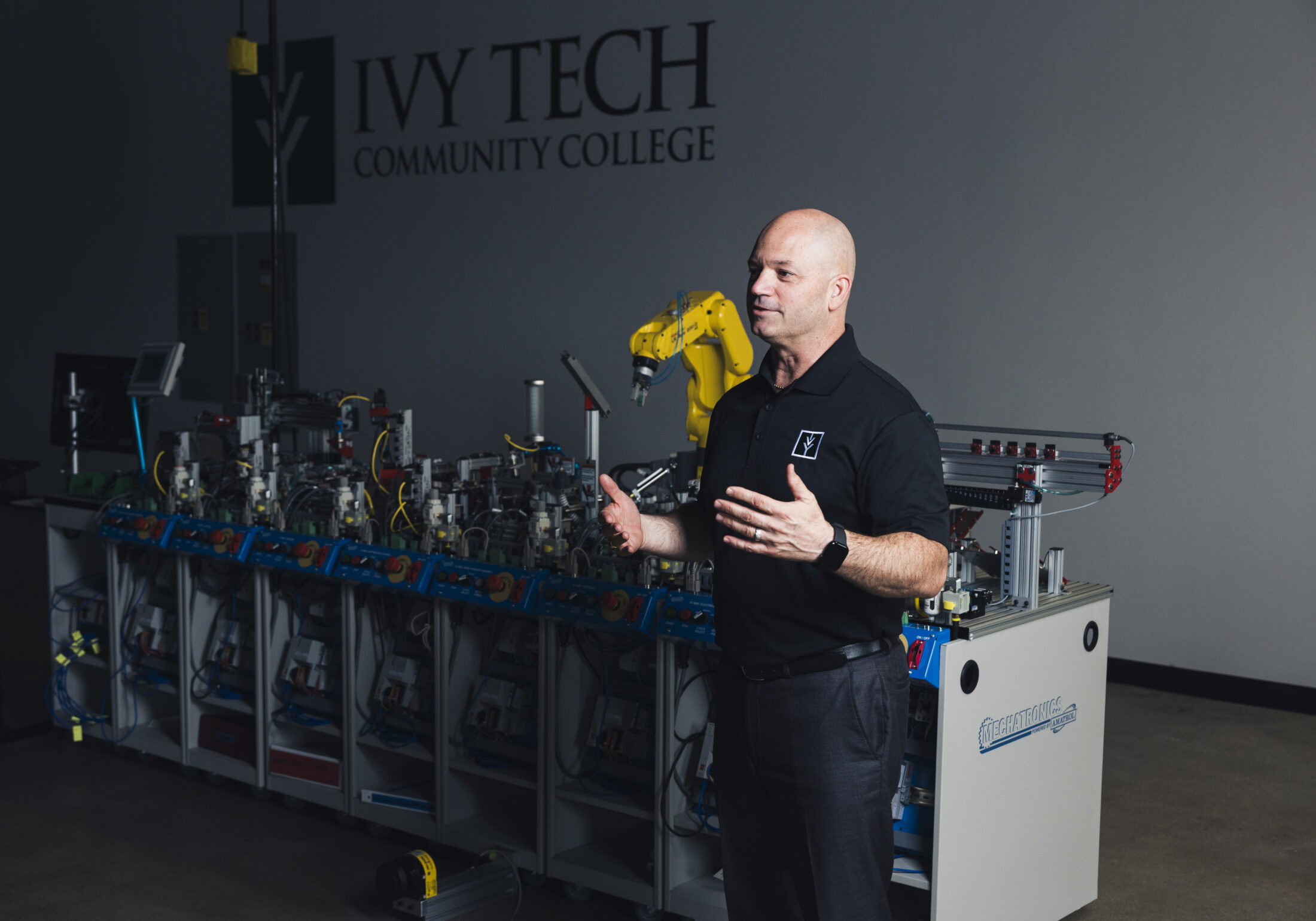
Case 2: The Factory Worker in Gary Lays off after plant restructuring. Uses Trade Adjustment Assistance (TAA) funding to enroll in Ivy Tech’s mechatronics program at the Gary campus. Completes training in 18 months, hired by a nearby robotics firm.
Case 3: The Single Parent in Lafayette Needs flexible hours. Takes online classes through Ivy Tech while using on-campus childcare at the Wabash Valley campus two days a week.
Each scenario hinges on choosing the right location and delivery format—not just proximity.
Final Tips for Choosing the Right Ivy Tech Location
- Define your goal first—degree, certification, transfer, or career change.
- Use the campus locator tool but verify program and service availability by phone.
- Visit the campus if possible. Sit in on a class, talk to advisors, check parking.
- Ask about employer partnerships—some campuses host exclusive job fairs.
- Consider hybrid flexibility—you can mix online and in-person based on your schedule.
Ivy Tech’s reach across Indiana is unmatched. But location choice isn’t just about convenience—it’s about alignment with your academic and career trajectory. Whether you're in a city, suburb, or rural town, there’s likely an Ivy Tech option that fits. The key is researching beyond the address.
Start with a plan, confirm the details, and use the campus as a launchpad—not just a classroom.
FAQ
What should you look for in Ivy Tech Community College Locations in Indiana? Focus on relevance, practical value, and how well the solution matches real user intent.
Is Ivy Tech Community College Locations in Indiana suitable for beginners? That depends on the workflow, but a clear step-by-step approach usually makes it easier to start.
How do you compare options around Ivy Tech Community College Locations in Indiana? Compare features, trust signals, limitations, pricing, and ease of implementation.
What mistakes should you avoid? Avoid generic choices, weak validation, and decisions based only on marketing claims.
What is the next best step? Shortlist the most relevant options, validate them quickly, and refine from real-world results.