Choosing the right approach to discovering heavenly paradise starts with clear context, practical filters, and realistic expectations.
Introduction to Heavenly Paradise
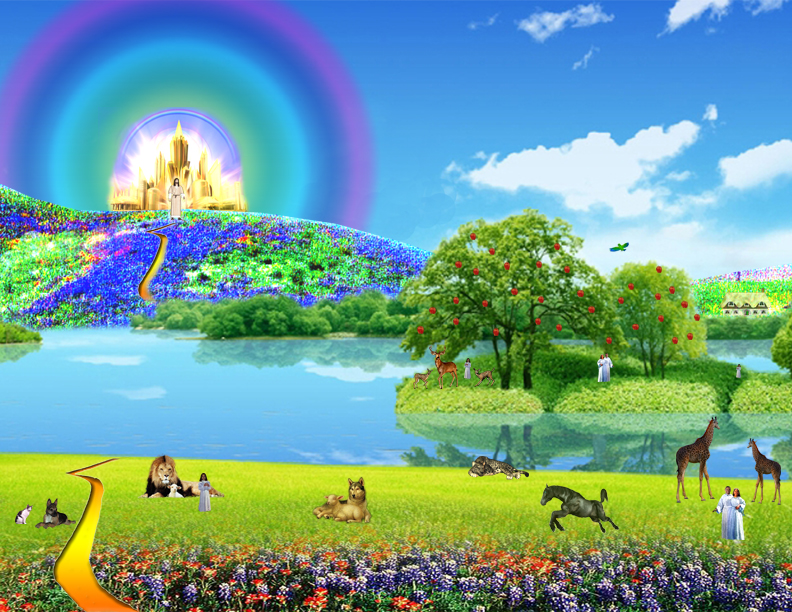
The concept of a picture of heavenly paradise has been a topic of interest and debate across various cultures and belief systems. It is often described as a realm of eternal bliss, peace, and happiness, where the souls of the righteous reside after death. The idea of heaven has been a source of comfort, inspiration, and guidance for many people, shaping their beliefs, values, and behaviors.
Cultural Depictions of Heaven
Different cultures and religions have their unique depictions of heaven, reflecting their distinct beliefs, values, and traditions. For example, in Christianity, heaven is often depicted as a beautiful, serene place with pearly gates, streets of gold, and a throne of God. In Islam, heaven is described as a garden of paradise, with lush greenery, sparkling fountains, and beautiful maidens. In Hinduism, heaven is depicted as a realm of bliss, where the soul achieves liberation from the cycle of birth and death.
Common Themes in Depictions of Heaven Despite the differences in cultural depictions,
there are
common themes that emerge in descriptions of heaven. These include:
- A sense of peace and tranquility
- Beauty and splendor
- Eternal bliss and happiness
- Presence of a higher power or divine being
- Reunion with loved ones who have passed away
The Significance of Heaven in Religion
The concept of heaven plays a significant role in many religions, serving as a motivation for righteous living, a source of comfort in times of suffering, and a promise of eternal life. In many religious traditions, the goal of human existence is to attain heaven, either through good deeds, devotion to a higher power, or adherence to certain rituals and practices.
Practical Examples of Heaven in Everyday Life
While the concept of heaven may seem abstract and distant, it can have practical applications in everyday life. For example:

- The idea of heaven can inspire people to live virtuous lives, treating others with kindness, compassion, and respect.
- It can provide comfort and solace in times of grief, loss, or suffering.
- It can motivate people to work towards creating a better world, reflecting the beauty and harmony of heaven.
Common Mistakes in Understanding Heaven
There are common mistakes that people make when thinking about heaven, including:
- Assuming that heaven is only for the righteous, excluding those who are deemed unworthy.
- Believing that heaven is a physical place, rather than a spiritual realm.
- Thinking that heaven is only attainable through certain rituals or practices, rather than through a personal relationship with a higher power.
Limitations of Human Understanding
The concept of heaven is complex and multifaceted, and human understanding is limited by our finite perspectives and experiences. While we can describe and imagine heaven, we can never fully comprehend its nature and essence. This limitation should humble us, acknowledging the mystery and wonder of the divine.
Workflow Tips for Reflecting on Heaven Reflecting on the concept of heaven can be a meaningful and enriching experience, deepening our understanding of ourselves, our values, and our place in the world. Here are some
workflow tips:
- Set aside time for quiet reflection and contemplation.
- Explore different cultural and religious depictions of heaven.
- Engage in practices that promote mindfulness, compassion, and self-awareness.
Tools for Exploring Heaven
There are various tools and resources available for exploring the concept of heaven, including:
- Sacred texts and scriptures, such as the Bible, Quran, or Bhagavad Gita.
- Spiritual practices, such as meditation, prayer, or yoga.
- Art and literature, such as paintings, music, or poetry that evoke the beauty and wonder of heaven.
- Online resources, such as websites, blogs, or forums that discuss heaven and the afterlife.
Structured List of Tools

- Here are some specific tools and resources:
- The Bible: A sacred text that describes heaven as a realm of eternal bliss and peace.
- The Quran: A sacred text that describes heaven as a garden of paradise, with lush greenery and sparkling fountains.
- Meditation: A spiritual practice that promotes mindfulness, compassion, and self-awareness.
- Yoga: A physical and spiritual practice that aims to unite the body, mind, and spirit.
- Heavenly art: A collection of paintings, music, and literature that evoke the beauty and wonder of heaven.
Conclusion
The concept of a picture of heavenly paradise is complex and multifaceted, reflecting different cultural, religious, and personal perspectives.
While our understanding is limited, we can still explore and reflect on the idea of heaven, deepening our understanding of ourselves and our place in the world. By embracing the mystery and wonder of the divine, we can cultivate a sense of peace, compassion, and harmony in our lives.
FAQs
- What is the concept of heaven in different cultures?
- The concept of heaven varies across cultures, reflecting distinct beliefs, values, and traditions.
- How does the idea of heaven influence human behavior?
- The idea of heaven can inspire people to live virtuous lives, treat others with kindness, and work towards creating a better world.
- What are common mistakes in understanding heaven?
- Common mistakes include assuming that heaven is only for the righteous, believing that heaven is a physical place, and thinking that heaven is only attainable through certain rituals or practices.
- How can we reflect on the concept of heaven?
- We can reflect on heaven through quiet contemplation, exploring different cultural and religious depictions, and engaging in practices that promote mindfulness, compassion, and self-awareness.
- What tools and resources are available for exploring heaven?
- Tools and resources include sacred texts, spiritual practices, art and literature, and online resources that discuss heaven and the afterlife.
- How can the concept of heaven provide comfort and solace?
- The concept of heaven can provide comfort and solace in times of grief, loss, or suffering, offering a sense of hope and promise of eternal life.
- What is the significance of heaven in religion?
- The concept of heaven plays a significant role in many religions, serving as a motivation for righteous living, a source of comfort, and a promise of eternal life.